
Webinars
Events
-
-
[Webinar] Olivia Martin-Taylor: Industry Integrity, Truffle Grading, Coop and Collective Development, and How to Managing an Aging Orchard
WebinarThe burgeoning truffle industry in North America has the unique opportunity to establish standards that ensure the highest levels of product quality and measures to ensure industrial integrity. To address industry and product integrity we can take simple actions at different points in the cultivation process. The industry can take steps to prevent contaminant truffle species from entering the market. These steps include setting industry seedling standards and a comprehensive system of truffle grading.
-
-
[Webinar] Christine Fischer: Tuber brumale and other mycorrhizal fungi that may fruit in our truffle orchards
View Recording By establishing black truffle orchards, we are introducing a new fungus to our soils and inevitably there will be shifts in the community of soil organisms in the rhizosphere activities belowground, not just Tuber melanosporum. Sometimes our first awareness comes with the appearance of fruitbodies of other fungi such as Tuber brumale, a […]
-
-
[Webinar] Claude Murat: Watering, mulching and shadowing in Tuber melanosporum and Tuber aestivum orchards
WebinarWatering, mulching and shadowing in Tuber melanosporum and Tuber aestivum orchards - Detail coming soon
-
-
[Webinar]Scott Oneto: North American Truffle Growers Survey
WebinarView Recording We're pleased to announce that dozens of growers have filled out the survey and the database is now growing. We are well on our way to answering a series of pressing questions for growers. Based upon the growers feedback we are launching a revised version that will be more user friendly. In addition […]
-
-
[Webinar]Dwayne Tate: Basic Principles of Liming and Soil Acidity
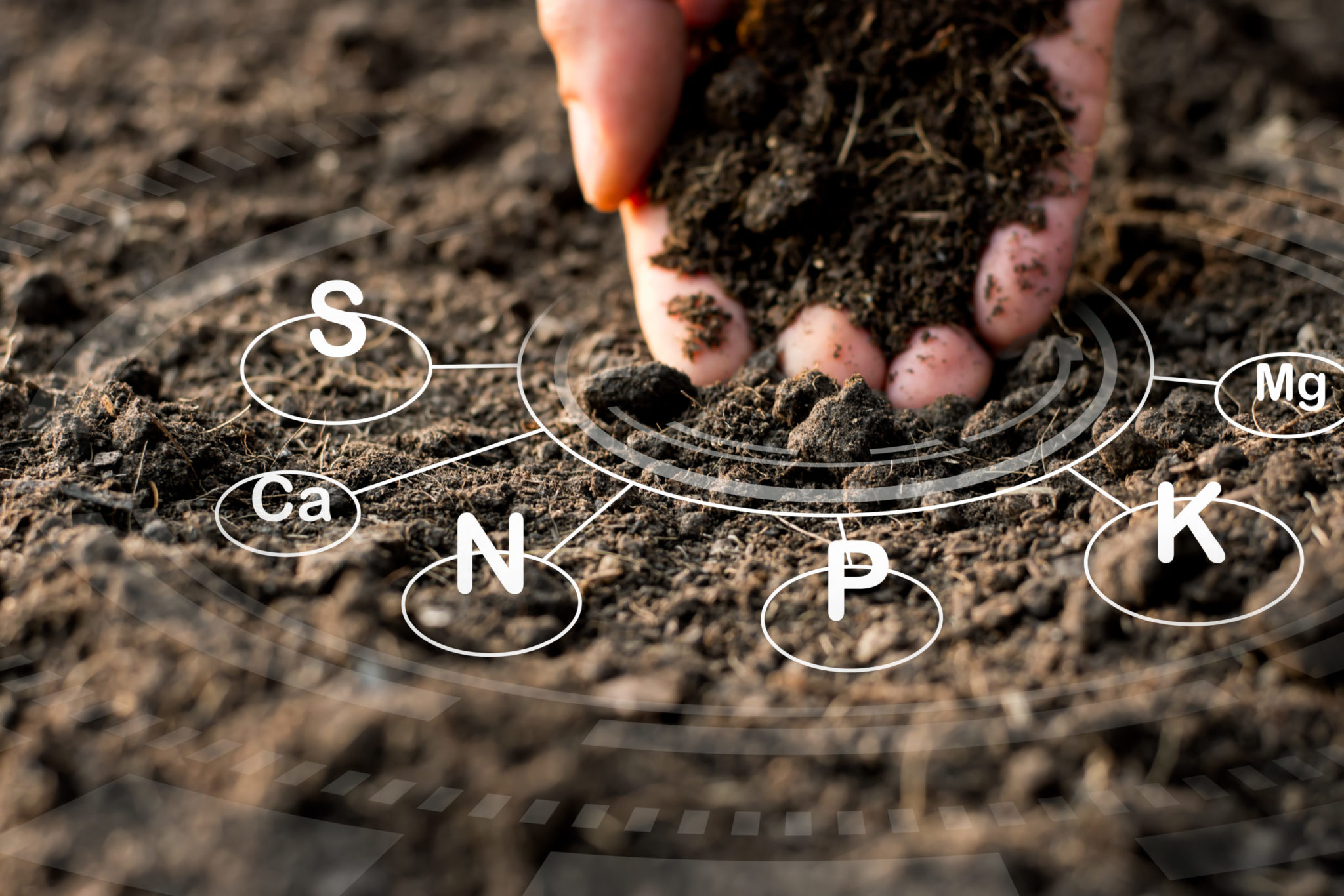
WebinarView Recording Soil and soil analysis reports continue to be a frequent concern to growers. Speaker
-
-
[Webinar]Rowan Jacobsen: What Do Truffles Mean?
WebinarView Recording For centuries, truffles have been marketed as the ultimate luxury food, a precious morsel to be had in fancy restaurants. While this has kept their perceived value high, it has also made them off-putting to many consumers, and has prevented them from being widely embraced in many cultures. Americans know very little about […]
-
-
Basic experimental concepts for testing management options in truffle orchards
WebinarView Recording Truffle growers have a lot of ideas and information available on management practices necessary to produce truffles. Sometimes ideas conflict, it is not clear what level of a treatment is most effective, or you have an off-the-wall idea to try. We can test our ideas and decide which practices work best using basic […]
-
-
[Webinar] Unearthing the Appalachian…or, Can I Lick Your Bottom, Canaliculatum. (An important mnemonic device) by Ben Kable
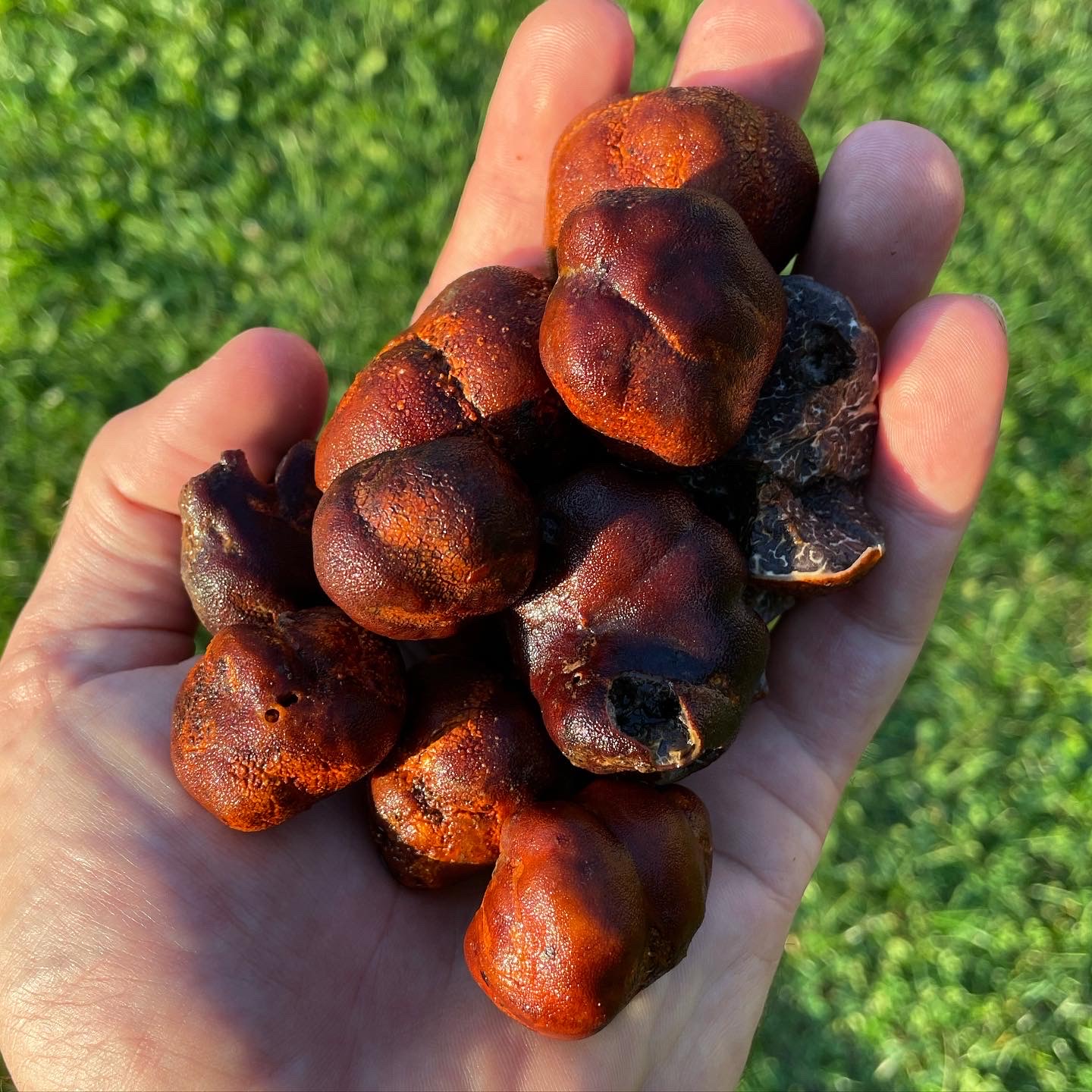
WebinarUnearthing the Appalachian…or, Can I Lick Your Bottom, Canaliculatum. (An important mnemonic device) by Ben Kable
-
-
A Study of Truffle Mycorrhiza Ecology with Dr. Rytas Vilgaly
WebinarIn this webinar, Dr. Vilgalys will present their findings which compare the fungal and bacterial communities associated with managed and natural pine forest microbiomes.
-
-

Having the right tools is half the battle – TRAPI
WebinarHaving the right tools is half the battle. Todays Genetic Tools to help measure success for increased Truffle Production. This is NATGA's first webinar under the TRAPI umbrella.